Jobs as a Truck Dispatcher: How to get the best jobs in 2025.
The United States of America depends on the trucking industry as the foundation of logistics. All of the successful freight operations are followed by a well trained truck dispatcher who makes sure that the trucks are efficient and deliveries on schedule. When you consider the truck dispatcher jobs, you are venturing into a career that is a combination of organization, communication, and problem-solving, all of which will become more sought after in the year 2025. As e-commerce develops and supply chains become larger, the demand of qualified dispatchers is also increasing and it opens opportunities to both novices and professionals.
Here we are going to discuss what a trucking dispatcher is, kinds of dispatcher jobs, skills required, and some tips that will help him or her get a high-paying job. We shall also look into the industry trends that will enable you to be ahead of the rest.
What Is a Truck Dispatcher?
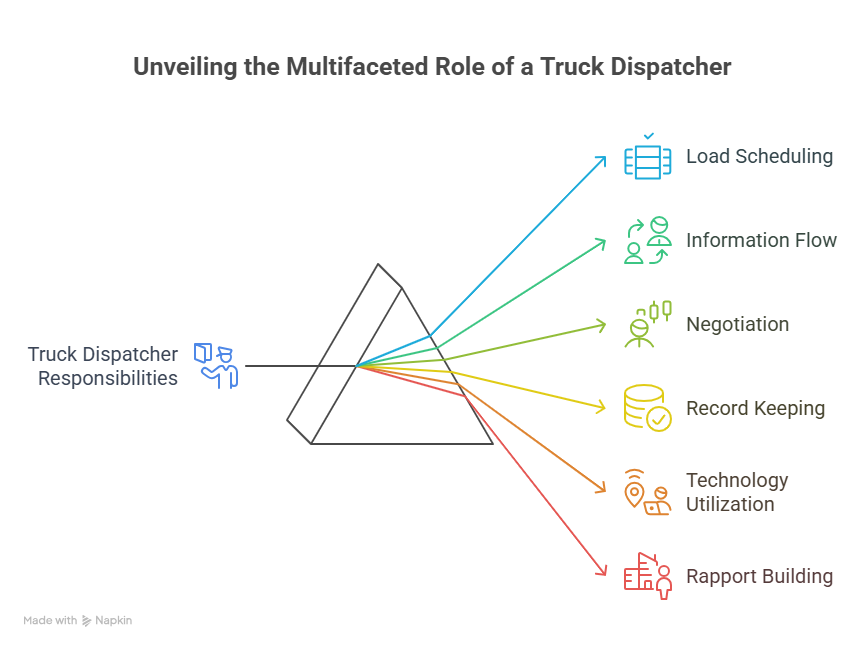
The carrier, drivers, and brokers are connected by a truck dispatcher. They mainly organize freight movement, make sure that it is efficient and compliant. There are some fundamental duties which include:
- Setting of loads and scheduling of the loads to drivers.
- Information flow to truck drivers to handle delays, changes of route and delivery information.
- Bargaining with brokers and clients.
- Keeping proper records about loads, fuel and expenses.
Load boards, Transportation Management Systems (TMS) and GPS tracking software are also some of the technology used by dispatchers. The individuals interested in dispatcher trucking employment ought to have in mind that this is a job that requires technical expertise and people skills.
Consideration: When a dispatcher establishes good rapport with brokers and carriers, he or she would be able to receive higher paying loads and more regular work a competitive advantage many novice dispatchers would ignore.
Types of Trucking Dispatcher Jobs
The various trucking dispatcher occupation possibilities can be used to find the career path you want:
In-House Dispatcher.
In-house dispatchers serve trucking companies/carriers directly. They are concerned with the coordination of the company fleet, the schedule of drivers, and on-time delivery. This career is stable, advantageous and has an organized working atmosphere.
Remote Dispatcher or Independent Dispatcher.
Independent dispatchers provide services to several carriers and in most cases, they are remote. This position provides flexibility, increasing income, and may it be to handle multiple trucks in multiple businesses. The secret lies in establishing trust and having a high level of communication with different drivers and brokers.
Specialized Dispatching.
Freight in specialized dispatchers may have special knowledge such as oversized loads or refrigerated freight or dangerous materials. Specialization enhances the potential of earnings though it might need additional certifications and regulatory expertise.
Industry Insight: The remote and independent dispatcher demands are on the increase since the carriers seek to cut overhead costs and operation in an efficient manner.
How to Get Started in Truck Dispatcher Jobs
A plan, training, and networking are required in breaking into truck dispatcher jobs. Here’s a practical roadmap:
Training and Certification
A dispatcher course or freight broker training will equip one with the necessary skills. These are load boards, contracts, DOT regulations and communication strategies.
Use Technology Effectively
Installing TMS software, load boards and GPS tracking systems at the start can make you extremely efficient and more appealing to employers.
Network Strategically
Establish network with carriers, brokers and other dispatchers. Opportunities that are not available on job boards can be opened up on online forums, LinkedIn, and trucking conferences.
Start Small, Scale Gradually
Start with the support of one owner-operated or a small fleet. Its core idea is to gain practical experience, build working processes and grow slowly as your reputation builds.
Value Tip: Have a book of finished dispatch (load sheets, problem solution, comments of brokers). This portfolio is able to impress potential clients or employers and it shows that you are reliable.
Skills That Can Differentiate You.
Effective dispatchers are the ones with a combination of both soft and technical talents:
- Communication: Understandings eliminate confusion and time wastage.
- Negotiation: To get good rates, there must be tact and strategy.
- Problem-Solving: A broken down vehicle or a change in route is a frequent occurrence; a competent dispatcher does not take long to make changes.
- Time Management: It is important to be precise when organizing a number of trucks and loads.
- Regulatory Knowledge: DOT rules can be avoided through knowledge of the regulations that will result in fines and encourage safety.
Added Value: Freight reading dispatchers will be able to get on a profitable load to their carriers before it happens, and this is very valuable to their service.
Salary and Growth Potential
Delivery may be profitable going by your route:
In-House Dispatchers: This ranges between $40,000 to $60,000 per year with benefits.
Independent Dispatchers: These usually receive 5-10 percent of the load revenue. Effective dispatchers who operate a number of trucks can earn more than 80, 000 a year.
Growth Advice: There are a lot of dispatchers that switch to fleet management or begin their own dispatch management. With the provision of specialized services, like refrigerated or flatbed freight dispatch, you are able to charge more and get repeat customers.
Common Mistakes to Avoid
Experienced dispatchers are capable of errors. Avoid these common pitfalls:
- Overbooking or Miscommunication: This is the act of overloading a driver with loads or lack of timely communication to the driver.
- Failure to Focus on Broker Relationships: An effective network can guarantee one availability of high paying and regular loads.
- Lack of Record-Keeping: Conflicts and compliance complications are avoided as well by proper documentation.
- Neglect of Technology: The efficient utilization of software saves time and ensures errors are avoided.
Pro Insight: Monitor your performance rates – on-time shipments, effective load bargain agreements, client feedback. It is possible to use metrics to enhance the quality of the service and negotiate better rates.