Tare Weight vs Net Weight vs Gross Weight: The Complete Guide for Trucking & Logistics
Knowledge of the weight measurement is part of trucking and logistics. As an owner-operator, fleet manager, broker, or shipper, it is necessary to understand the differences between tare weight, net weight, and gross weight to be safe, comply and efficient. This guide is explanation of these terms, how they are calculated and why correct weight measurement is important in the transportation business.
What is Tare Weight?
The weight of an empty vehicle or a container is known as tare weight. This applies to trucking, which includes the truck, chassis, trailer, and other equipment, but not cargo, passengers or fuel. Basically, tare weight is the weight of the vehicle before any items are loaded on the vehicle.
Tare weight is an important concept to owner-operators and small fleet managers. It is the foundation on which the total weight of the cargo that a vehicle can carry is measured to meet federal and state regulations. It also prevents overloading which will cause fines, damage on vehicles and even road accidents.
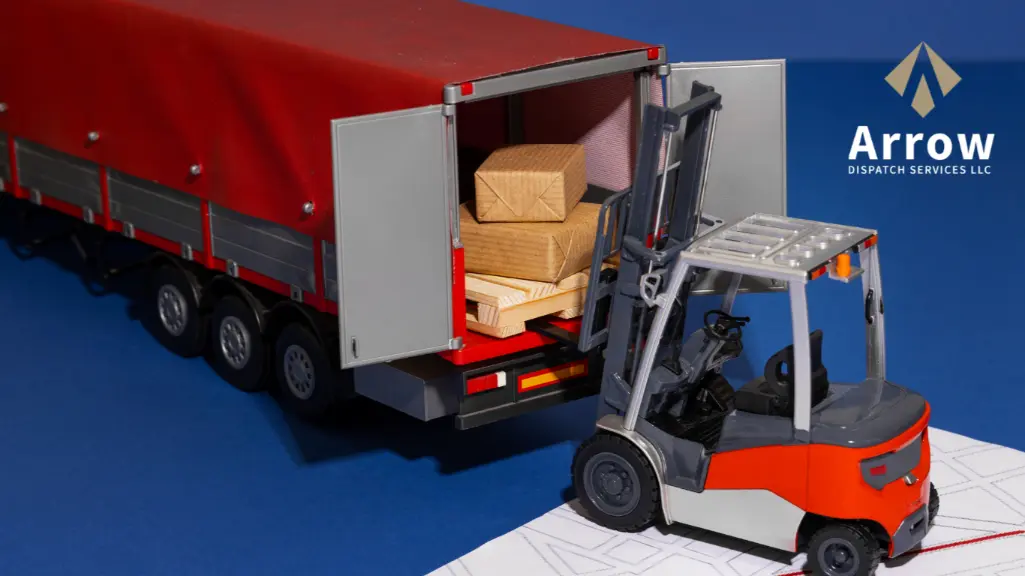
Tare Weight Meaning and Definition
The meaning of Tare weight is simple it is weight of the transport vehicle or container without any cargo. The definition of tare weight can vary according to the type of vehicle. For example, a box truck, flatbed trailer or tanker can have different tare weight although they may all have similar cargo capacity.
It is important to define tare weight correctly so that dispatchers could match loads to trucks. The dispatchers become able to know the maximum payload by knowing the empty weight of the vehicle to ensure the overall weight does not exceed the gross vehicle limits. This is so that the truck will be able to work efficiently and legally, as well as mention that it will be safe to the drivers and other road users.
How to Calculate Tare Weight?
Calculating tare weight is easy yet it should be exact. The commonly used is weighing the empty vehicle in a approved scale. Most trucks are checked at weigh stations; whether at a public or a private weigh station the scale reading gives the tare weight.
Consider an example of an empty flatbed truck that has a weight of 15,000 pounds, this is the tare weight. To calculate the net weight of a cargo load, one only needs to subtract this tare weight with the total gross weight after they have loaded the truck. Onboard telematics systems or vehicle scales can also be used to improve accuracy particularly in fleets that transport cargo of varying weights and types.
Maintaining records of the tare weight of every vehicle is a key requirement to the dispatchers and fleet managers. It enables them to estimate payloads and route planning fast and without breaking the overweight rule.
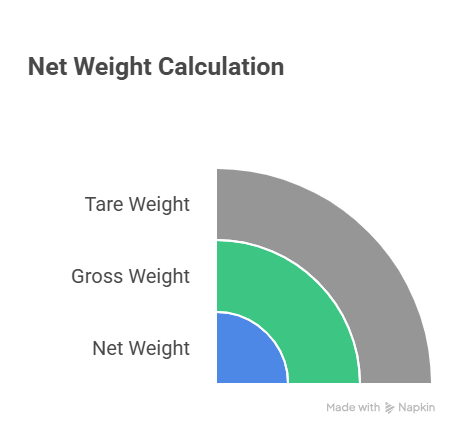
What is Net Weight?
Net weight is the weight of load. It does not include the weight of the vehicle or container but only everything being transported. Net weight tells you: How much am I really moving?
The knowledge about net weight is important for the shippers and brokers as it defines freight expenses, insurance, and planning of loads. In the case of owner-operators, having a clear understanding of the net weight will make them stay within legal limits and at the same time maximize the cargo.
Calculations of net weight are not complicated: the tare weight of the vehicle is known, and using the sum of the total gross weight and tare weight, one should calculate the difference between the two and obtain the net weight. An example is when a loaded truck has (50 000 pounds) weight and tare weight is (15 000 pounds), the net cargo weight will be 35000 pounds.
What is Gross Weight?
Gross weight is the total of the weight of the truck, trailer, fuel, driver, passengers and the cargo. It can also be referred to as gross vehicle weight (GVW) when used in the trucking business or gross combination weight (GCW) when using a truck and a trailer.
Gross weight is important for legal compliance. The trucks exceeding the legal GVW punishments are fined, penalized and put at a loss of safety. Also, various states and types of roads have varying laws and, hence, carriers must make sure that their loaded trucks do not surpass laws.
Prior to the load distribution, the gross weight is calculated by the dispatchers of the fleet managers. In such a manner, no overloading is avoided and the vehicle remains safe as well as the users of the road are moved in a safe manner.
How Tare, Net, and Gross Weight Work Together?
There is a relationship between tare, net and gross weight. Weight of Tare + weight of Net = weight of Gross. This connection is important in the planning of loads and compliance and efficiency of operations.
For Example, a truck with a tare weight of 20,000 pounds is loaded with 25,000 pounds of cargo and the gross weight of the truck will be 45,000 pounds. Knowing this relationship helps dispatchers to assign loads that are within legal weight limits to prevent fines and compromising safety.
These weight calculations can also help in fuel efficiency. Constantly Overloaded Trucks use a lot of fuel, wear in shorter durations, and require regular maintenance. Correct weight scheduling means increased life of the vehicle and low cost of operation.
Importance of Accurate Weight Calculations in Trucking
Safety, legality and efficiency are based on the proper weight calculations. Overloaded trucks affect the stability of braking, handling and the stability of the vehicle. They also endanger other users of the road and can cause serious accidents.
Shippers, dispatchers, and brokers count on the correct information on weights to plan deliveries efficiently. The knowledge of tare, net, and gross weights will ensure freight is safe and make sure that it is transported in accordance with the regulations. It also affects the insurance coverage because vehicles with improper loaded or excessive weight might not be entirely covered by insurance in case of damages or accidents.
There is also accurate weight tracking and this has an effect on the logistics planning. Carriers are able to streamline routes, avoid overweight fines and enhance the delivery schedule. To shippers, it also ensures that their consignments are received in good condition.
US and International Regulations on Cargo Weight
In the US, FMCSA has control over the weight of the vehicle. The gross vehicle weight limit is dependent on the number of axles, type of vehicle and the type of road. Fines are applied and overweight trucks can be banned on the use of some highways.
The international shipping and trucking are also of a certain standard. The maximum load capacities, measurement standards and regulations may vary in different countries. Shippers and brokers, who deal with cross-border freight transportation, need to know these regulations in order to have legal and move freight efficiently.
Special permits, escort vehicles and route planning are needed in case of oversize loads. To prevent delays and fines, dispatchers should consider these factors and provide safety of cargo.
Practical Applications for Carriers, Owner-Operators, Shippers, and Brokers
Practical applications of Tare, net and gross weights are for everyone involved in the logistics chain.
Owner-Operators: Knowing these weights helps most to maximize payloads without violating compliance. Proper weight measurement ensures that the aircraft is not overloaded thereby increasing fuel efficiency and safety.
Small Fleet Owners: In the case of fleets, knowledge of these weights would enable dispatchers to allocate loads efficiently, plan maintenance and maximizing of routes. This makes sure that vehicles are efficient and safe.
Shippers: Correct weighings will calculate the shipping fees, cargo safety and legal conformity. Shippers are able to plan their deliveries better, as well as prevent goods damage.
Brokers: The weight data plays a vital role in negotiating the freight rates and also in matching the loads with the capacities of the carriers. Proper calculations help brokers in avoiding liability problems and having quality partnership with carriers.
Common Misconceptions About Tare, Net, and Gross Weight
These are two terms that are often misunderstood:
- Tare weight vs curb weight: Tare weight includes all the equipments in the vehicle, but curb might exclude fuel and people.
- Net weight versus payload: The net weight is a weight of the cargo; payload may be accessories or other equipment.
- Gross weight vs gross vehicle weight: The first is about the general Gross weight and the latter refers to trucks and trailers.
The explanation of these myths will help in avoiding the mistakes in the arrangement of the loads, and observing the regulations.
Faqs
Knowing tare weight helps calculate the net weight of cargo, which directly impacts shipping fees. The heavier the cargo, the higher the cost.
Cargo, passengers, and fuel are not included in tare weight. It’s just the empty vehicle or container.
Tare weight is the weight of an empty vehicle or container, before any cargo is loaded.
Tare weight is the empty vehicle. Net weight is just the cargo itself.
An incorrect tare weight can lead to overloading, fines, safety risks, and inaccurate shipping costs.
No, it only includes the empty vehicle or container, not liquids or cargo.
Empty trucks, trailers, shipping containers, and railcars are common examples.
If the mattress is part of the cargo, it’s not included. If it’s permanently attached to the vehicle, it may be included.
It ensures compliance, safety, and accurate calculation of shipping costs.
To determine net cargo weight, prevent overloading, and plan safe and legal shipments.
You can tow up to the difference between your GVWR and your vehicle’s curb weight, minus passengers and cargo.
No, tare weight is the empty vehicle; towing weight includes what you can safely pull.
It means the vehicle’s total allowed weight. It include cargo, passengers, and vehicle itself—is 3,500 kg.